How One South African Safari Redefined What Luxury Actually Means
This is not a safari built around spectacle; it’s one built around responsibility.

begin
For a long time, luxury travel followed a familiar script. Bigger rooms. Softer linens. More things layered onto the experience until it felt unquestionably indulgent, and, often, strangely interchangeable. Somewhere along the way, that version of luxury started to lose its pull. Travelers who spend a lot of time on the road begin craving something quieter, more intentional, harder to replicate.
I felt that shift most clearly during a stay at Shamwari Private Game Reserve, where luxury isn’t something you photograph immediately. It reveals itself gradually, in conversations, in access, and in the understanding that what you’re experiencing exists because someone made a long-term commitment to doing things differently.
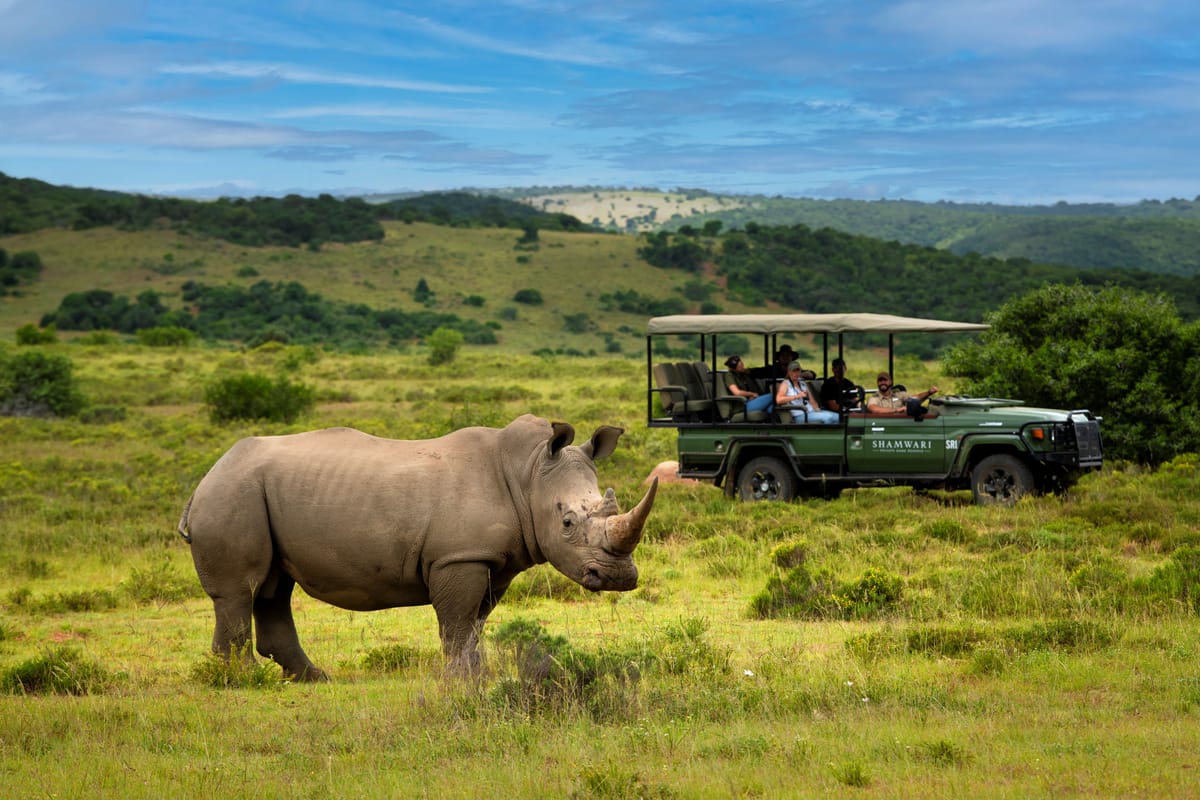
Shamwari sits in South Africa’s Eastern Cape, spread across tens of thousands of acres that were once overgrazed farmland. What stands there now—a functioning ecosystem supporting the Big Five, cheetahs, giraffes, and hundreds of bird species—is not the result of luck or pristine preservation. It’s the result of deliberate rehabilitation. That alone reframes the experience. This is not a safari built around spectacle; it’s one built around responsibility.
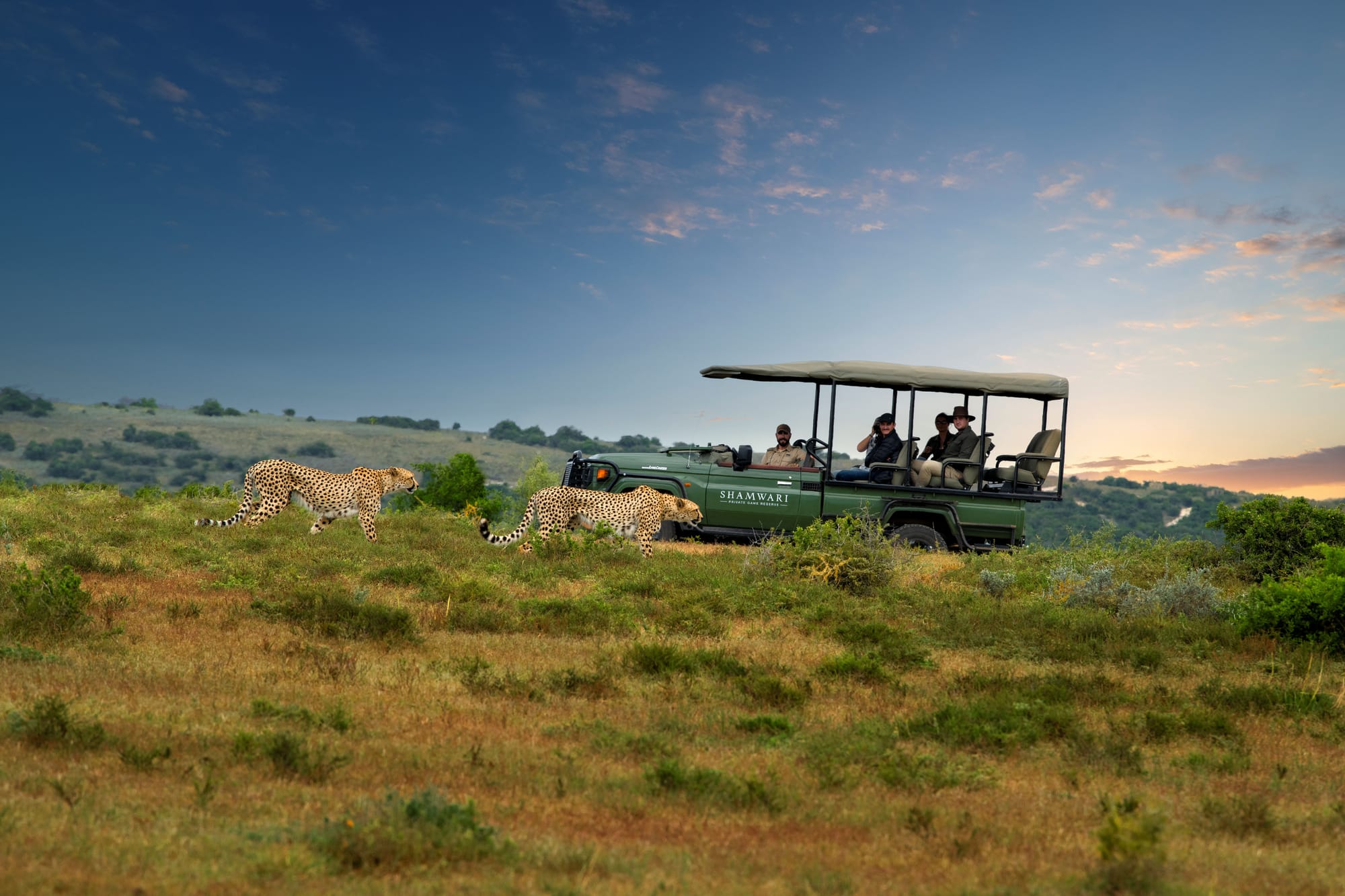
From the start, nothing feels rushed. Game drives aren’t structured around ticking boxes or chasing radio calls. Instead, they unfold at a pace dictated by the landscape itself. Rangers talk as easily about soil regeneration and predator dynamics as they do about tracking lions. You begin to realize that the wildlife sightings—while often extraordinary—are not the point. They are byproducts of a larger system that is actively protected and maintained.
That’s where the definition of luxury quietly shifts.
Here, luxury is access. It’s being allowed to see how conservation actually functions on the ground, not just hearing about it in vague terms. Shamwari operates several conservation and rehabilitation initiatives, including a wildlife rehabilitation centre and a big cat sanctuary. These are not add-ons designed for guest entertainment. They are working facilities, central to the reserve’s mission, and guests are invited to understand—not romanticize—the complexity of the work.
There is something deeply grounding about standing in a place where the goal is not growth for growth’s sake, but balance. In a travel industry often obsessed with novelty, Shamwari is focused on continuity. The land is managed with the future in mind, not the next season’s bookings. That long view is increasingly rare—and increasingly valuable.
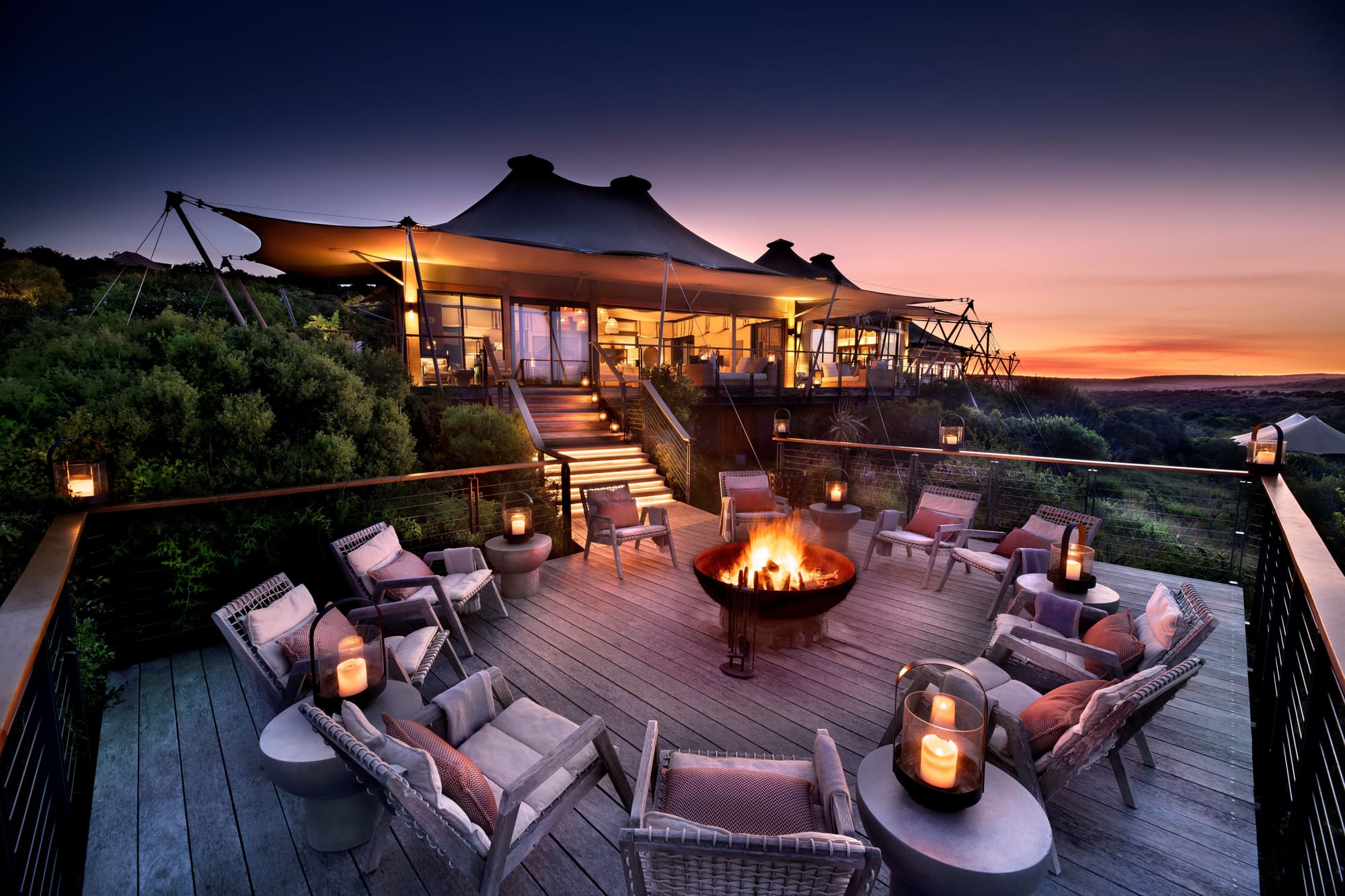
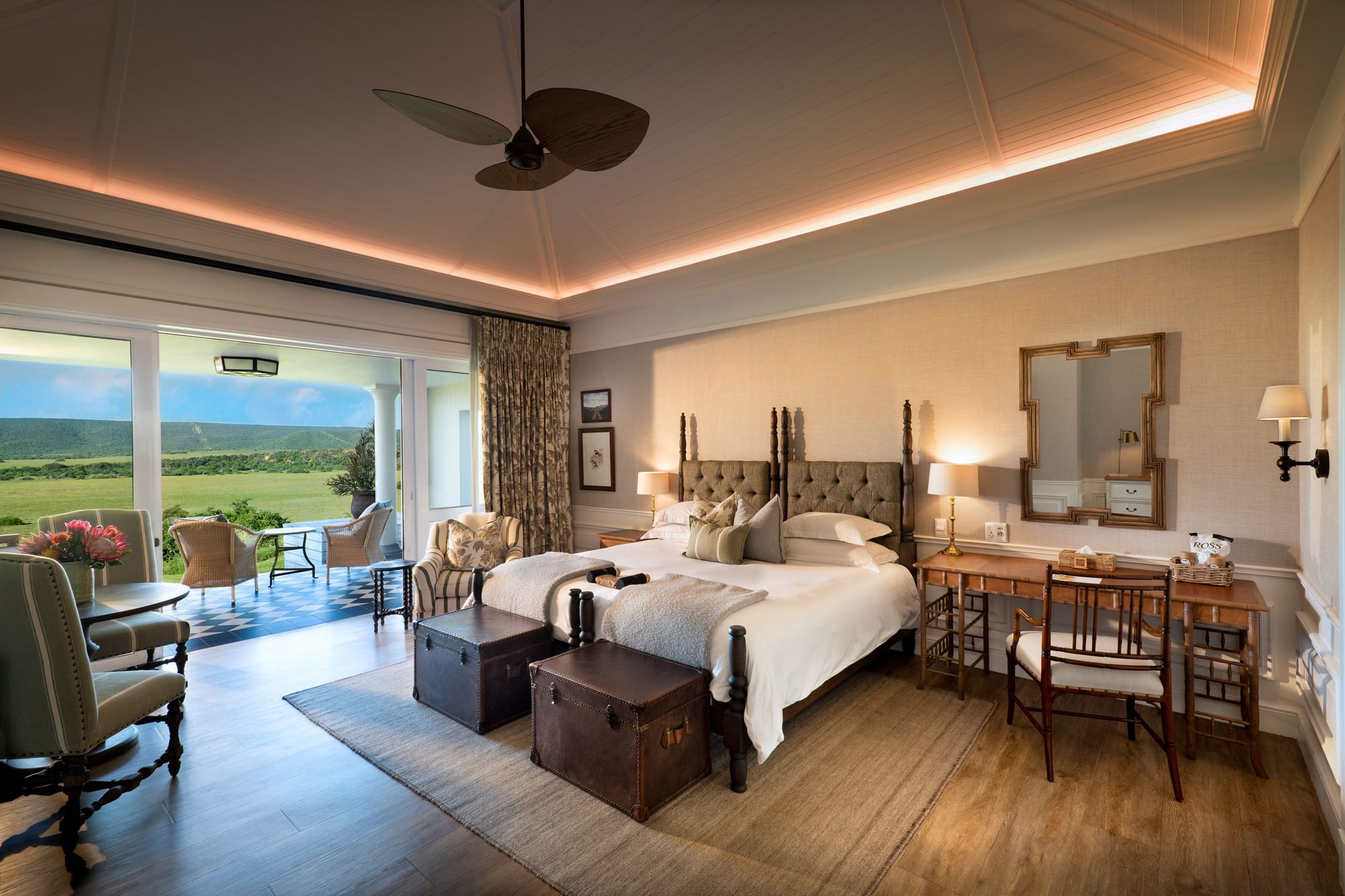
The accommodations themselves are elegant and comfortable, but never distracting. You won’t find design choices screaming for attention or luxury for luxury’s sake. Instead, everything feels purposeful. The lodges are designed to sit quietly within the landscape rather than dominate it. You notice the absence of excess more than the presence of indulgence, and somehow, the experience feels richer for it.
Meals are unpretentious in the best way—thoughtful, seasonal, and connected to place. Dinners stretch long, shaped by conversation rather than choreography. Evenings end not with entertainment schedules, but with silence, stars, and the distant sounds of the bush settling into nthe ight. Time itself becomes part of the luxury equation: unstructured, unhurried, and genuinely restorative.
What stands out most, though, is the sense of trust placed in guests. Shamwari doesn’t feel the need to impress constantly. It assumes that if you’re here, you’re interested in more than surface-level indulgence. That confidence is refreshing. It allows the experience to breathe—and enables visitors to engage more deeply without being spoon-fed meaning.
Sustainability at Shamwari is not framed as a marketing message. It’s embedded into daily operations, from land management to community engagement. The reserve employs people from surrounding areas, invests in education and skills development, and plays a tangible role in regional conservation efforts. These aren’t abstract commitments. They’re visible in the people you meet and the systems you’re invited to understand.
This is where the new definition of luxury becomes clear. It’s not about how removed you are from reality, but how thoughtfully you engage with it. It’s about knowing that your presence supports something meaningful, rather than simply consuming an experience designed to flatter you.
Leaving Shamwari, I didn’t feel dazzled in the traditional sense. I felt recalibrated. The experience lingered not because of any single dramatic moment, but because it quietly challenged my expectations of what luxury should look like. In a world of increasingly polished travel experiences, Shamwari offers something rarer: depth, integrity, and a sense of place that doesn’t need embellishment.
Luxury, it turns out, doesn’t need to be louder. It needs to be more intentional. And on this stretch of rehabilitated land in South Africa’s Eastern Cape, that intention is precisely what defines the experience.